The second-hand market is growing steadily in France, and this trend extends beyond clothing. Pre-loved furniture, refurbished items and recycled materials are gaining ground in interior design projects.
At the same time, a French decree dated February 21, 2024, sets minimum proportions for reused furniture or furniture incorporating recycled materials in public procurement. Although this regulatory framework does not directly apply to individuals, it reflects a shift in the market toward circular choices that are influencing the ranges offered by manufacturers and retailers.
Repairable furniture and modular pieces: a key consideration for interior design
Transforming your home is no longer just about choosing a wall color or buying a new sofa. A report published by Renewable Matter in November 2026 describes the rise of furniture designed to be taken apart, reassembled, repaired or refurbished. This approach suits lifestyles where people move frequently and their space requirements change over time.
For example, a solid wood piece of furniture with screw joints rather than glued ones can adapt to three or four different room layouts. That’s a real advantage if you want to refresh your living room without replacing all your furniture.
Specialist retailers now offer ranges designed around repairability and modularity, as you can see at https://www.deco-factory.fr/, which showcases different approaches to interior design.
Choosing adaptable furniture over a fixed set changes how you approach an interior design project. Instead of chasing the perfect look of the moment, you invest in pieces that can evolve with your space.
Reuse and vintage finds: looking beyond the vintage aesthetic
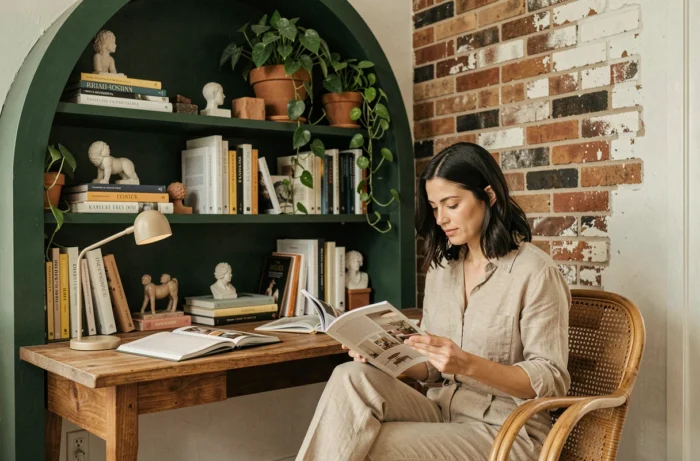
Reusing furniture in your decor is about more than placing a weathered piece in a corner of the living room. When you find a 1960s sideboard, a farmhouse table or a set of mismatched chairs, the budget equation changes. Second-hand furniture often costs a fraction of its new equivalent, leaving more room in the budget for other items such as textiles, lighting and paint.
The challenge is making everything work together. Collecting finds without a unifying theme can make a room feel cluttered. Two simple rules can help you stay on track:
- Choose a palette of no more than three colors before you start hunting, so you can filter out pieces that won’t really fit the room
- Group materials by type (light wood with rattan, dark metal with leather) rather than mixing every finish
- Limit decorative objects to a few standout pieces in each area instead of covering every available surface
Reuse becomes a powerful design tool when it’s guided by a clear aesthetic vision, rather than by the random accumulation of bargains.
Shading solutions and thermal comfort: practical decor
One aspect of transforming a home remains largely overlooked in traditional interior design guides: managing light and heat. ADEME recommends blocking sunlight before it enters the home, particularly with exterior shading. Shutters, blinds, adjustable sun screens and climbing plants on a pergola can all do the job.
These features can dramatically change the feel of a room. A linen blind filters the light to create a soft, muted atmosphere that interior curtains can’t replicate in quite the same way. Exterior shading improves both thermal comfort and the visual identity of a space.
If you’re on a tight budget, reed screening attached to a balcony or a plant-covered trellis in front of a large window can be enough to transform the feel of a living room. The cost is modest compared with replacing all your furniture, and you’ll notice the difference as soon as the first hot days arrive.
How does this affect interior materials and textiles?
A room that’s better protected from direct sunlight helps textiles last longer. Upholstery fabrics, cushions and rugs exposed to intense sunlight can fade within a few seasons. By combining an exterior blind with natural-fiber textiles (linen, thick cotton, hemp), you can significantly extend the life of your decor.
It’s a calculation that’s rarely made when planning a makeover, but it can have a real impact on your budget over time.
Color palettes and natural materials: what works in 2025–2026
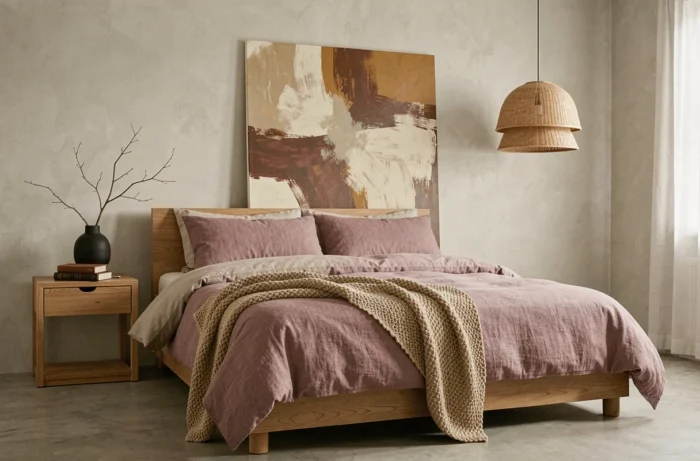
Current trends are converging on deep shades (burgundy, terracotta, sage green) paired with raw materials. Dark wood, especially walnut, is making a strong comeback in storage furniture and tables. Organic shapes—soft curves rather than sharp angles—are dominating new collections.
You can embrace these trends without replacing everything by making a few targeted changes:
- Painting an accent wall in a deep shade can change the feel of an entire room for the price of a few liters of paint
- Replacing the handles on existing furniture with brass or walnut ones gives it a fresh look without replacing the piece
- Adding one or two decorative objects in artisan ceramics or natural stone is enough to give a space a contemporary feel
Transforming your home doesn’t require replacing all your furniture. Targeted updates to color, materials and finishes can make a visible difference without stretching your budget.
Match the style to how you use the room
A common mistake is to apply the same aesthetic approach everywhere. A living room can handle dark shades and substantial furniture. A bedroom often works better with light colors and soft textiles. In the kitchen, a practical space, easy-to-clean surfaces are a better choice than a delicate decorative plaster wall.
Every room calls for its own balance between style and functionality. Trends come and go; practical needs remain.
If you want to transform your home in a lasting way, the next step is to take stock of what you can keep, repair or find second-hand before considering any new purchases. This initial review helps guide you toward more cohesive choices and often results in a more personal space than simply copying a trend straight from a catalog.