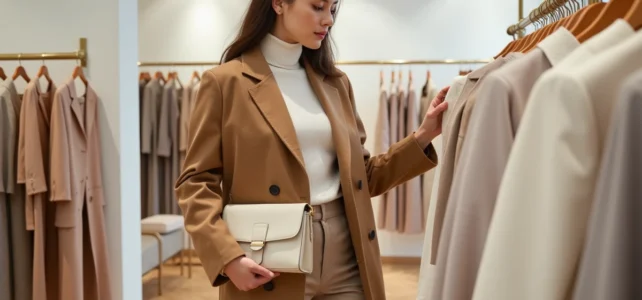
When you open your closet one July morning and none of the pieces seem to fit the season, the problem rarely lies in the number of clothes. It comes from the gap between what you own and what current fashion offers in terms of silhouettes, colors, and materials. The fashion trends of 2026 are reshuffling the deck with precise style codes, driven by a European regulatory constraint that pushes brands to rethink their collections deeply.
ESPR Regulation and the End of Unsold Textiles: What Changes for Fashion Collections
Competitors speak little about this topic, yet it is the one that reshapes the contours of current fashion. Starting July 19, 2026, large companies operating in the European Union will no longer be allowed to destroy their unsold textiles and shoes, except for health-related or proven counterfeit exceptions. This rule is part of the European ESPR regulation and the Extended Producer Responsibility (EPR).
In practice, this means that brands are now designing more streamlined collections, with fewer references and pieces intended to last several seasons. The hierarchy of value imposed by the texts prioritizes reuse (donation, second-hand) and repurposing (upcycling, transformation) before pure recycling.
For us, consumers, the direct consequence is visible in stores: end-of-line items are becoming rarer, basic pieces are gaining in manufacturing quality, and the second-hand offer is directly integrated into brands. This evolution can be seen by browsing the fashion section on Kamaz, where the pieces offered reflect this logic of a sustainable and updated wardrobe.
Trendy Silhouettes 2026: Three Cuts that Structure the Wardrobe
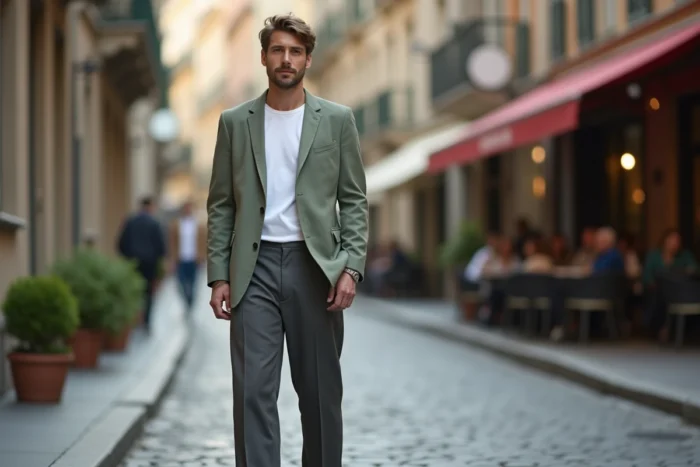
Rather than listing eight trendy pieces, let’s focus on the three cuts that consistently appear in spring-summer collections and work well for everyday wear.
The Long Flowing Dress and the Return of Poetcore
We see it everywhere, from Loewe to Miu Miu to Saint Laurent. The long flowing dress embodies a soft and confident femininity, worn with minimalist shoes and a structured bag to create contrast. Bright colors (orange, pink, yellow, sky blue) dominate, far from the neutral tones of previous seasons.
The long dress works well both in the city and on vacation. It can be worn with a thin belt to accentuate the waist, or without for a free fall.
The Structured Wide Pants
Defined waist, sharp cut, ample fall: the structured wide pants replace skinny jeans in most wardrobes. They are worn with a fitted top to balance the proportions. Beige, ecru, or khaki, they absorb the bright colors of the top without overloading the outfit.
Feedback varies on this point: some body types find wide pants difficult to adjust without alterations. Planning a real fitting rather than a blind online purchase remains the best approach.
The Coordinated Set
Pants and jacket or skirt and top in the same fabric, the coordinated set simplifies the construction of a complete look. One style decision in the morning, a clear visual impact. It’s the most suitable piece for days that involve office, lunch, and outings.
Fashion Colors 2026: Bright Palette and Natural Tones Alternating
The runways and Pinterest search data converge toward a palette that mixes intensity and sobriety. You don’t choose a side; you alternate.
- Saturated Bright Colors: tangerine orange, fuchsia pink, butter yellow, and olive green. They are worn as a strong statement piece (a dress, a short jacket) rather than a total look to avoid overload.
- Natural and Earthy Tones: beige, sand, light brown, off-white. They serve as a base for the rest of the outfit and work year-round without seasonal effects.
- Sky Blue and Lavender: two shades that emerge as alternatives to classic pastels, with more depth and visual hold in natural light.
The most reliable ground rule: one strong colored piece per outfit, the rest in neutral tones. This achieves a trendy look without risking a fashion faux pas.
Fashion Accessories and Expressive Pieces: What Makes the Difference in 2026
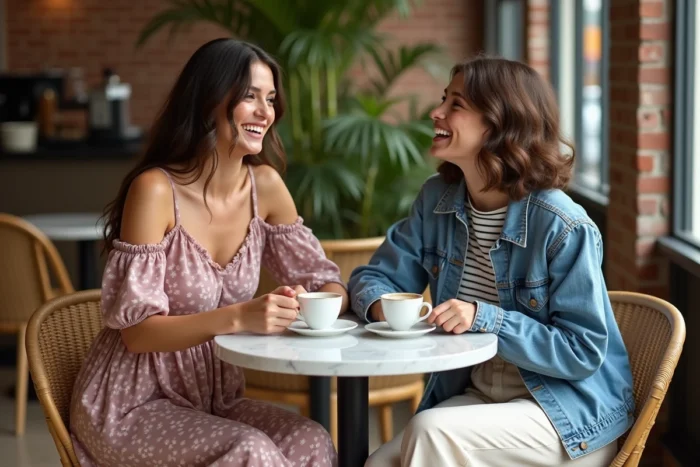
Accessories are once again the most accessible entry point to follow trends without renewing your entire wardrobe. Brooches, thin belts, and small structured bags are capturing attention on the runways this season.
One detail to note: the fan has made its appearance as a runway accessory, notably at Dior. Beyond the anecdote, this confirms a broader trend toward accessories that are both functional and decorative, telling a story rather than simply completing an outfit.
For shoes, the trend of technical flip-flops from TikTok illustrates an underlying movement. There is a real search for comfort in clean shapes, not just aesthetics. Minimalist sandals with ergonomic soles are gradually replacing purely decorative models.
- Brooches and garment jewelry: worn on the lapel of a jacket or at the waist of a dress, they personalize a basic piece in seconds.
- Small structured bags: they replace oversized tote bags and force a reduction in what we carry, changing the overall silhouette.
- Thin belts on loose pieces: they create a waist point on the flowing dress or wide pants, transforming a relaxed cut into a structured outfit.
The current style is built less by accumulating new pieces than by targeted adjustments. A well-chosen accessory updates an existing outfit more effectively than an additional garment. This is consistent with the logic of streamlined collections imposed by European regulation: we buy less, we compose better.