
Life after retirement occupies an increasing part of existence. In France, people over 65 represent nearly one-fifth of the population. Supporting this period requires understanding the concrete mechanisms that preserve health, memory, and social connections, and knowing where to find the right resources.
Autonomy branch of Social Security: what the budget increase changes
The fifth branch of Social Security, created to finance the loss of autonomy for the elderly and disabled, has seen its resources increase significantly. According to vie-publique.fr, the dedicated budget has risen from about 32.2 billion euros in 2021 to 43.3 billion euros in 2025.
This progression reflects a strengthened investment in home care and prevention. Specifically, this means more funding for home assistance services, technical aids (grab bars, secure showers), and fall prevention programs.
For seniors and their families, this increase opens access to sometimes little-known resources. Resources like the seniors’ space of (wo)menweb help identify available aids and better guide daily support efforts.
Decree 2025-747 and new requirements for home care
The decree n°2025-747 has redefined the minimum technical conditions for home assistance and support services (SAAD). Its goal: to harmonize the quality of interventions across the entire territory.
Three axes structure this reform:
- Enhanced coordination between home care providers and health professionals, with increased traceability of individualized support plans
- Higher qualification requirements for staff, reducing turnover and improving continuity of care
- Mandatory individualized follow-up, with regular assessments adapted to the elderly person’s evolution
Before this reform, service levels varied greatly from one department to another. The decree establishes a national baseline. For families, this means a right to demand a certain standard from any accredited provider.
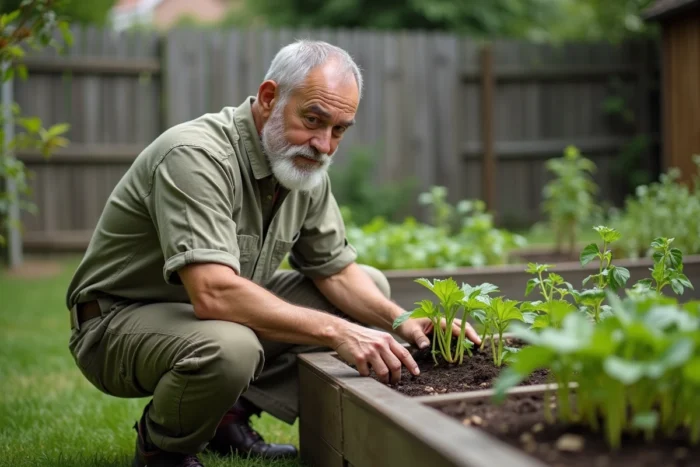
Physical activities and cognitive stimulation after 60
The energy expenditure for the same activity is higher in seniors than in young adults. The body mobilizes more resources for the same effort, making the choice of physical activity particularly strategic.
Regular walking remains the foundation. It engages balance, maintains muscle mass, and requires no equipment. Adapted sports (gentle gymnastics, aquagym, tai-chi) complement this base by working on joint flexibility, a key factor in preventing falls and loss of autonomy.
Cognitively, stimulating memory relies less on crossword puzzles alone and more on a combination of varied activities. Learning a new skill (language, instrument, manual technique) engages different neural networks than those activated by routine. Memory workshops offered by municipal social action centers (CCAS) often combine cognitive exercises and social interaction, enhancing their effectiveness.
Nutrition and hydration: two points of vigilance
With age, the sensation of thirst decreases and satiety arrives more quickly during meals. Drinking regularly without waiting to feel thirsty is a preventive measure against dehydration, especially in summer.
Proteins deserve specific attention. Consuming eggs, fish, or meat at least once a day helps the body maintain its muscle mass. Dairy products provide the calcium necessary for bone strength. Distributing meals into three meals and two snacks helps avoid energy dips in the middle of the day.
Social isolation of seniors: spotting signals and taking action
Social isolation affects a significant portion of elderly people, particularly in rural areas or after the loss of a spouse. Its effects on mental health are documented: increased anxiety disorders, accelerated cognitive decline, heightened risk of depression.
Spotting isolation requires observing concrete changes:
- Progressive decrease in outings and phone calls
- Neglect of nutrition or personal hygiene
- Loss of interest in activities previously enjoyed
- Repeated refusal of invitations or visits
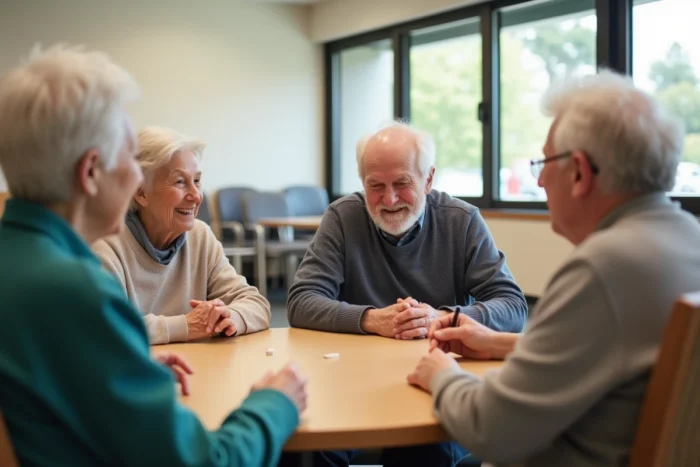
Responses are not limited to family visits. Intergenerational volunteering, municipal senior clubs, and neighbor connection platforms create opportunities for regular contact. Some municipalities organize “day vacations” for isolated elderly people, combining group outings and shared meals.
Mental health issues: beyond loneliness
Mental health issues in the elderly are not limited to isolation. Sleep disorders, common after 60, alter the architecture of nights: deep sleep decreases, and nighttime awakenings multiply. Adjusting bedtime, limiting screens in the evening, and maintaining physical activity during the day contribute to improving rest quality.
When issues persist (chronic insomnia, sustained anxiety, rapid memory loss), a specialized consultation helps distinguish normal aging from a pathology requiring medical support.
The increased funding for the autonomy branch and the new regulatory requirements for home services are changing the landscape of senior support. These developments remain little known to families, even though they open up concrete rights. Ensuring that your home care provider complies with the baseline set by decree 2025-747 is a useful first reflex, even before seeking new activities or resources.