
The jaw strength of a dog is generally measured in PSI (pounds per square inch), a unit of pressure. While the human jaw exerts an average of between 120 and 140 PSI, some dog breeds exceed 500 PSI by a large margin. However, the values presented in rankings are estimates: bite force varies depending on the individual, its age, physical condition, and the method of measurement used.
This ranking is based on the most cited data from canine behavior and biomechanics specialists. It does not imply the danger of a breed: a dog’s behavior primarily depends on its training and socialization.
1. Kangal
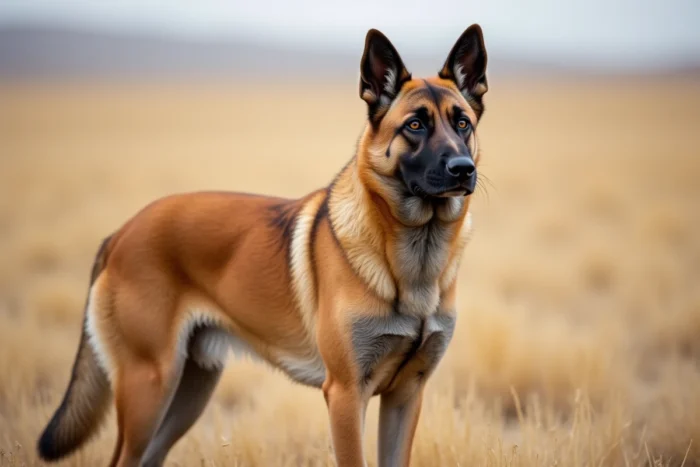
The Kangal consistently tops the rankings with an estimated bite pressure of over 700 PSI. This Anatolian shepherd has been bred for centuries to protect livestock from wolves and bears in the Turkish highlands.
Its jaw strength is not a genetic accident: it serves a specific function of deterrence against large predators. The Kangal remains a working dog that needs space and a mission. In an apartment, without appropriate stimulation, it develops destructive behaviors that its strength makes problematic.
To delve deeper into this topic, a ranking of jaw strength in dogs details the measurements associated with each breed and the factors that influence these values.
2. Bandog
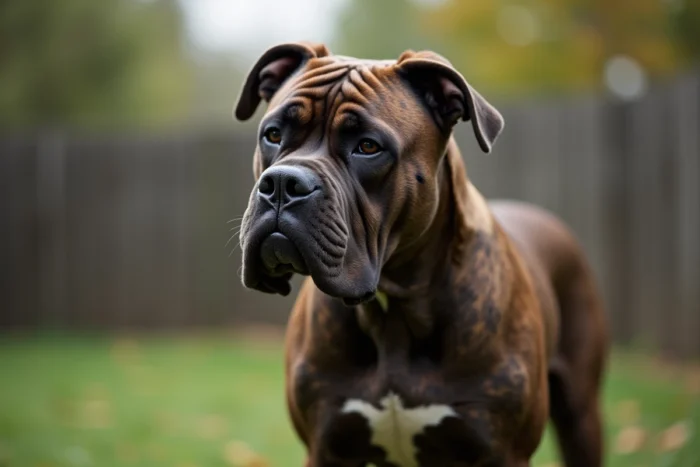
The Bandog is not a breed recognized by the FCI but a type of dog resulting from the crossbreeding of mastiffs (Mastiff, Cane Corso) and bull-type terriers. Its bite pressure ranks among the highest in the canine world.
Historically, the term referred to a dog tied up during the day and released at night to guard properties. This selection focused on brute strength and vigilance explains its formidable jaw. The absence of an official standard makes data on this breed particularly variable from one breeder to another.
3. Cane Corso

The Cane Corso descends from the Roman canis pugnax, used both in war and for guarding agricultural estates. Its wide, short jaw provides a mechanical leverage effect that amplifies the pressure exerted.
Despite its intimidating physique, a well-socialized Cane Corso is calm and attached to its family. Field reports vary on this point: some trainers report marked reactivity towards other dogs in subjects insufficiently exposed to other dogs before six months of age.
4. Boerboel
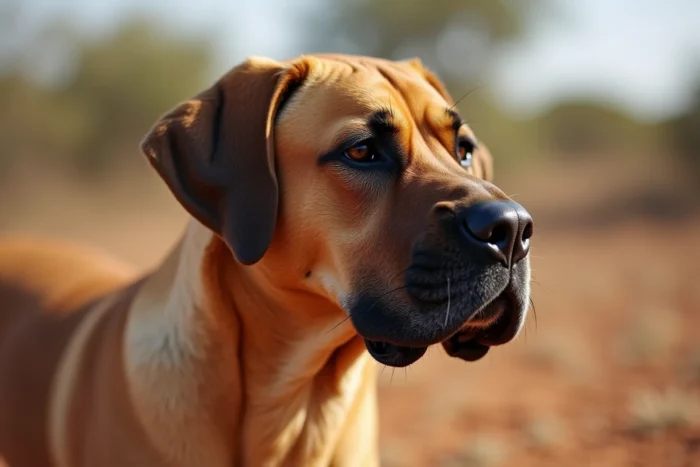
Originating from South Africa, the Boerboel was developed to protect isolated farms from wild predators, including baboons and leopards. Its bite pressure exceeds that of most European mastiffs.
It is a territorial dog by nature, clearly distinguishing household members from strangers. Its training requires absolute consistency from a young age: a poorly framed adult Boerboel poses a real risk, not due to its temperament, but simply because of its physical strength.
5. Tosa Inu

The Tosa Inu was created in Japan in the late 19th century by crossing local breeds with Mastiffs, Bulldogs, and Great Danes. Ranked among the most powerful dogs in terms of bite, it paradoxically remains one of the most discreet.
In Japan, it is used in ritualized fights (still legal in some regions). In Europe, several countries restrict or prohibit its ownership. In France, it is listed among category dogs, which imposes specific obligations on its owner.
6. Dogue de Bordeaux

The Dogue de Bordeaux has one of the largest heads in the canine world, proportionally to its body. This cranial morphology gives it remarkable contact surface and biting strength.
An ancient French breed, it has long served as a butcher’s dog and guardian. Its temperament is reputed to be placid, but its jaw remains a working tool selected over several centuries. The available data does not allow for assigning it a PSI value as precise as that of the Kangal, with measurements varying significantly according to protocols.
7. English Mastiff

The English Mastiff compensates for a slightly lower pressure per square centimeter than that of the Kangal with a much wider jaw surface. The result in terms of total force exerted remains considerable.
It is a dog with a gentle temperament that often relies on its mere presence to deter. Its size (some males exceed 90 kg) raises practical questions: veterinary care, transportation, feeding. The power of its jaw is just one aspect among others of the responsibility that this breed entails.
8. Presa Canario

The Presa Canario, originating from the Canary Islands, was used for herding and protecting livestock. Its powerful jaw allowed it to control unruly cattle.
A rustic breed and little modified by modern aesthetic selection, the Presa retains a pronounced guarding instinct. Its training requires early socialization and a firm framework. Incidents involving this breed are often linked to the dog’s social isolation rather than to innate aggressiveness.
9. Rottweiler

The Rottweiler is among the most studied breeds regarding bite strength. Originally a herding dog, it pulled meat carts and guarded the receipts of cattle merchants in Germany.
Its jaw combines power and endurance. The German Shepherd and the Rottweiler are among the breeds most involved in reported bites in France, but these statistics primarily reflect their popularity: the more widespread a breed is, the more it appears in accident reports.
10. German Shepherd
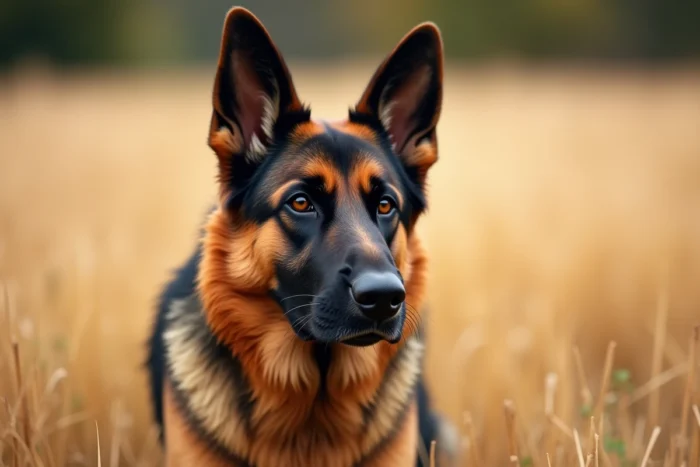
The German Shepherd accounts for about 10% of reported bites in France according to ANSES data, making it the most cited breed in accident statistics. Its bite strength, although lower than that of the mastiffs in this ranking, is still sufficient to cause serious injuries.
Its omnipresence in law enforcement, search and rescue, and defense work demonstrates the versatility of its jaw as well as its intelligence. Bite strength does not determine a dog’s danger: it is the combination of strength, context, training, and socialization that produces or prevents incidents.
Rankings of jaw strength remain estimates, with measurement methods varying from study to study. Recent biomechanical research emphasizes individual variability much more than averages by breed. A well-socialized, properly trained dog placed in an environment suited to its needs does not pose a threat, regardless of the theoretical strength of its jaw.